well, hello there traveller!

It seems like you found our about page.

If you wish to explore further just scroll down.

Balkan people and their history

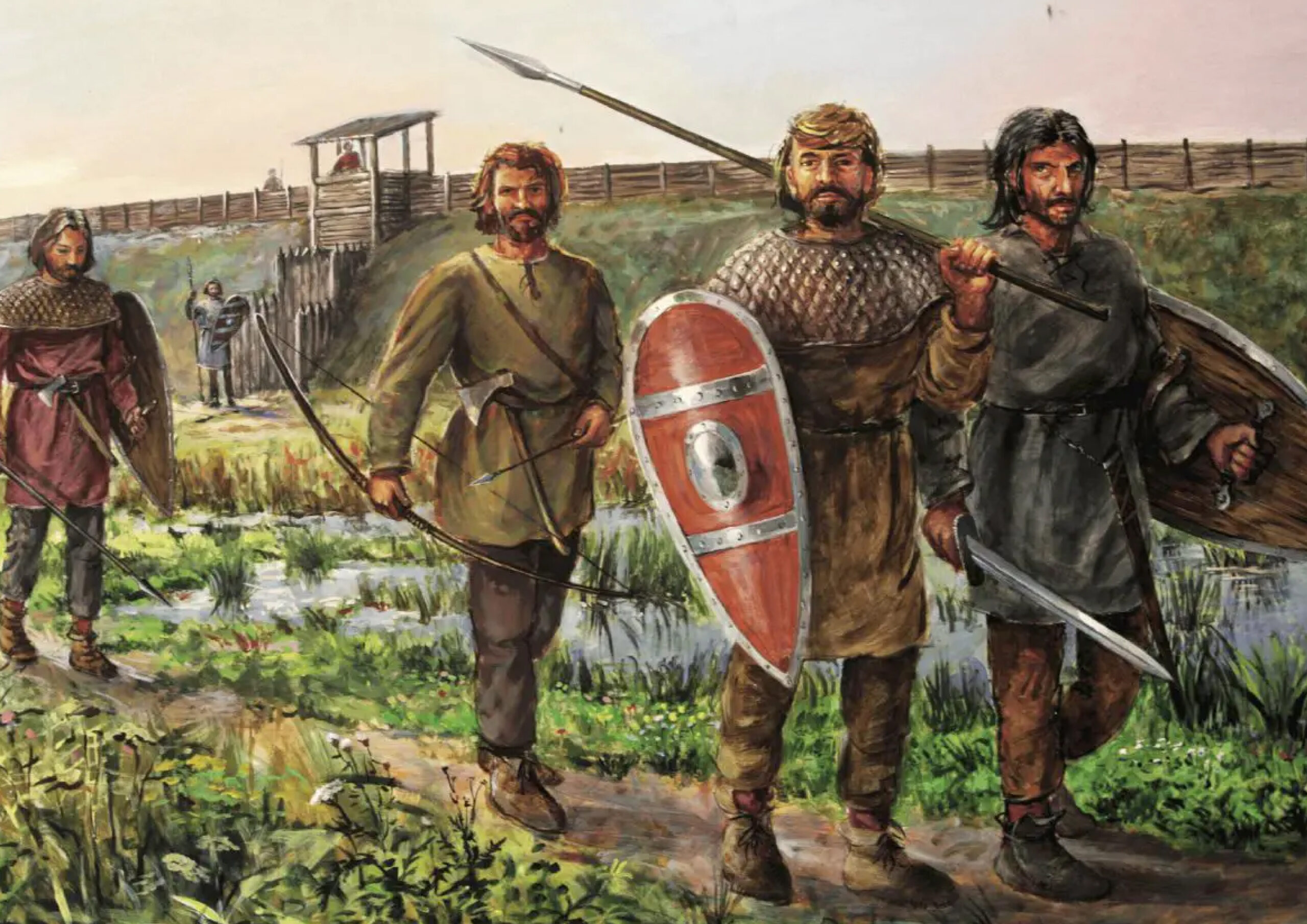
The Balkans are a region in southeastern Europe shaped by centuries of migration, empire, and cultural exchange. In antiquity, the area was home to Illyrians, Thracians, Greeks, and later Romans, who left lasting influences in language, law, and infrastructure. After the division of the Roman Empire, the Balkans became a crossroads between the Eastern (Byzantine) and Western worlds, while Slavic migrations in the early Middle Ages laid the foundations for many modern Balkan peoples. From the late Middle Ages onward, much of the Balkans came under Ottoman rule, which lasted for centuries and deeply influenced religion, architecture, and society. As Ottoman power declined in the 19th century, nationalist movements emerged, leading to the creation of new states and frequent conflicts. The region played a key role in triggering World War I and later experienced major upheavals during the 20th century, including the rise and breakup of Yugoslavia. Today, the Balkans are characterized by rich cultural diversity, complex historical memories, and ongoing efforts toward stability and cooperation.

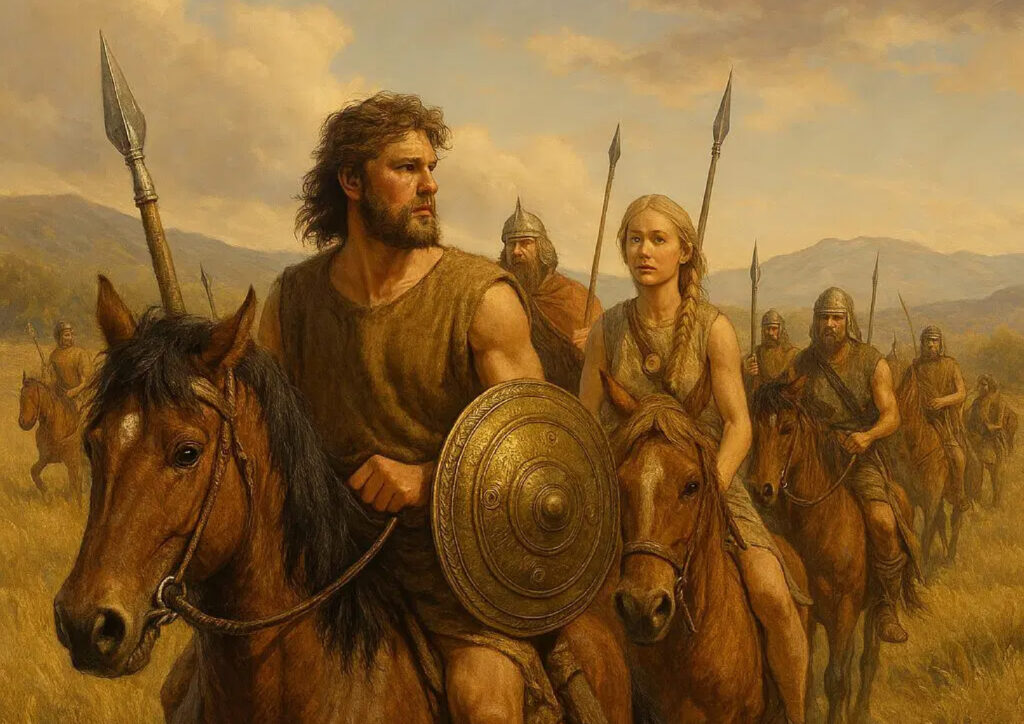
The Illyrians - 10th century BCE

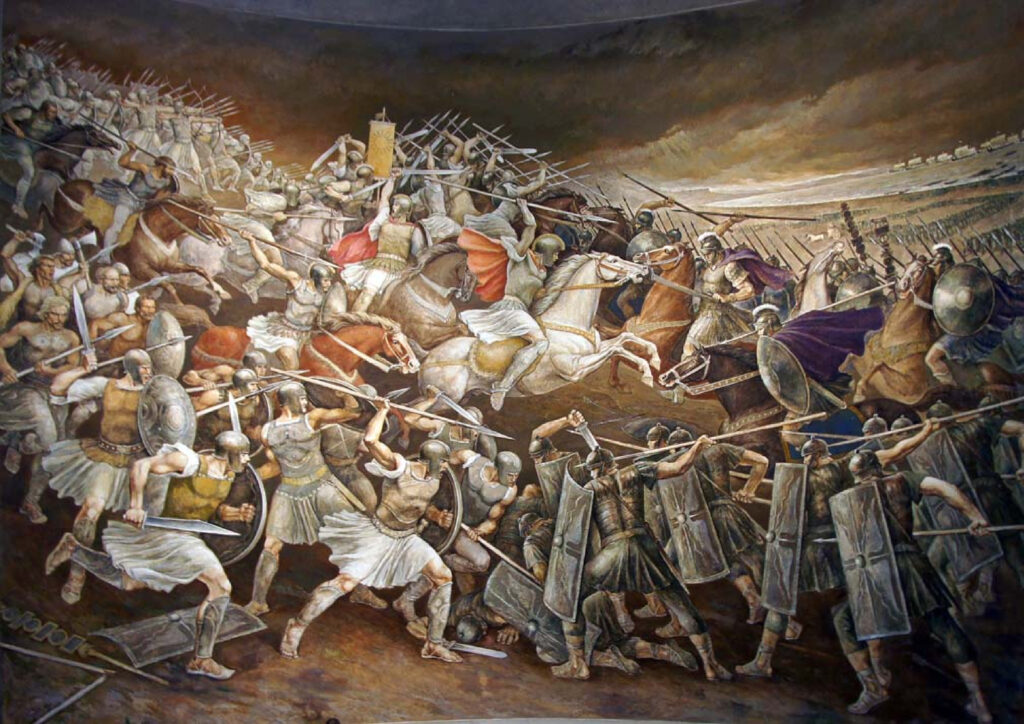
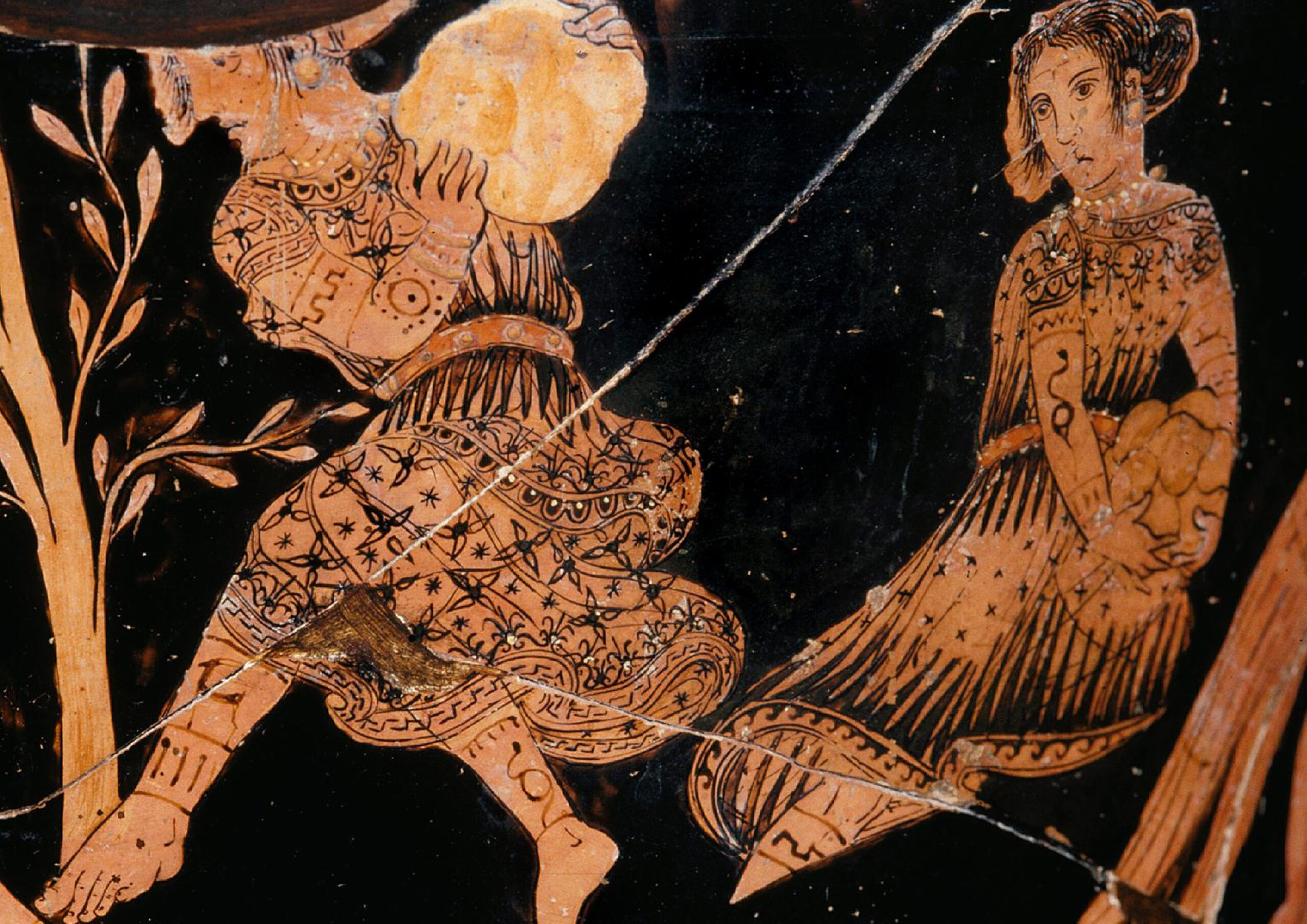
The Illyrians were an Indo-European people who inhabited the western Balkan Peninsula from the 10th century BCE to the 6th century AD, spanning modern-day Albania, Croatia, and surrounding areas. Organized into tribes like the Dalmatians and Liburnians, they were known for skilled metallurgy, maritime piracy, and fierce resistance against Roman conquest.

The Thracians - 3500 B.C. to the 6th century A.D.

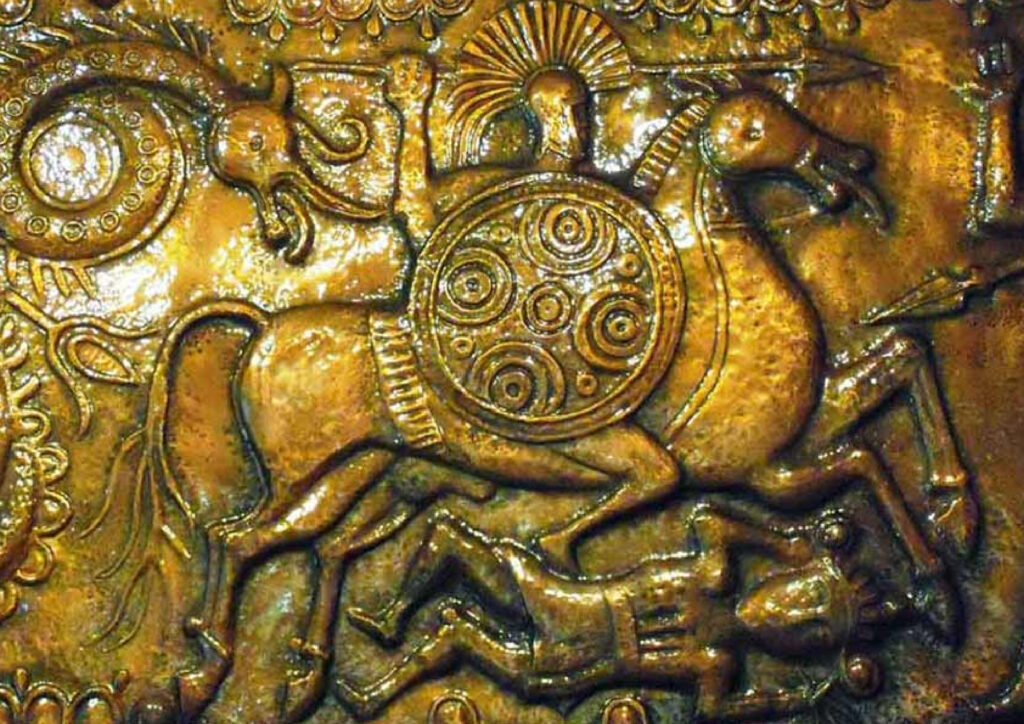
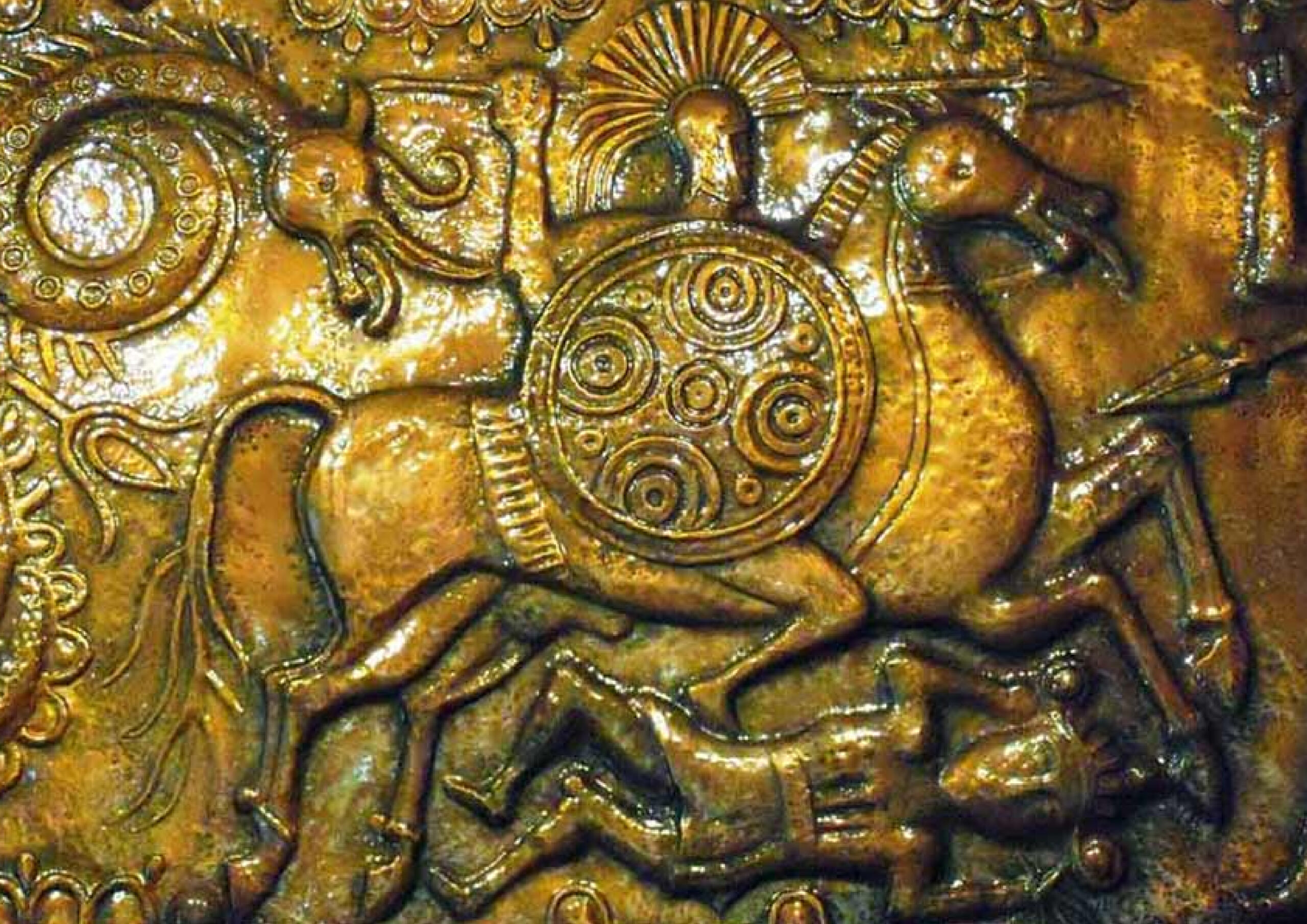
The Thracians were an ancient Indo-European tribal people, dominant in the Southeastern Balkans (modern Bulgaria, Romania, Greece, and Turkey) from around 1500 BC. Known as fierce warriors and skilled metalworkers, they were often viewed as fragmented but formidable. Thracians played a key role in regional history before being absorbed by Greek, Persian, and Roman civilizations.

The Greeks - 8th century BC onwards

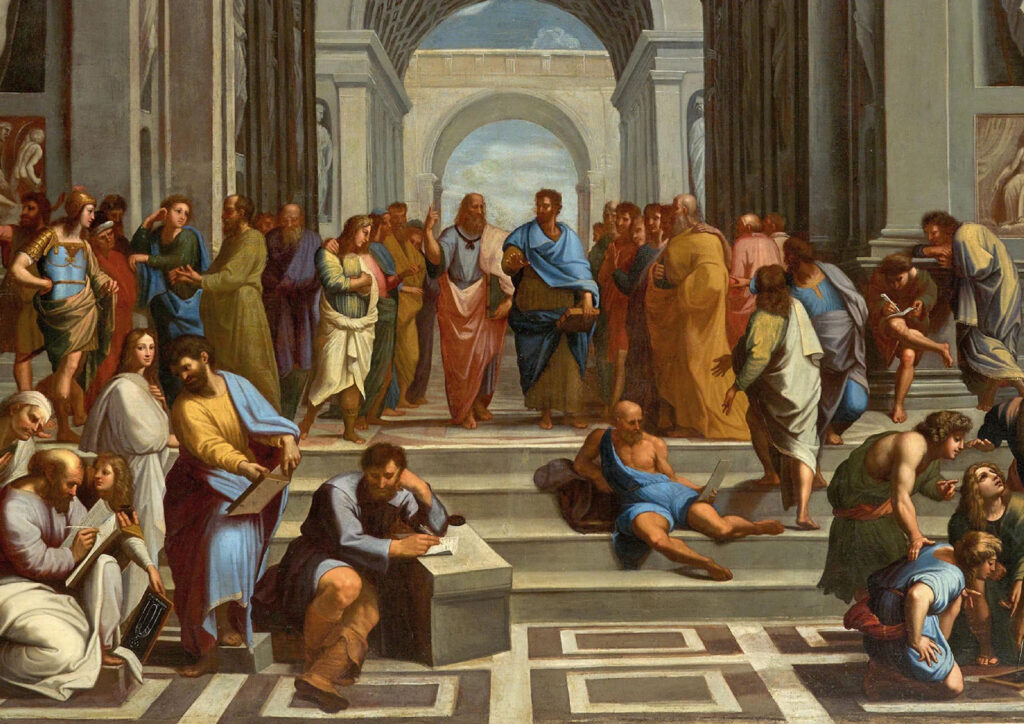
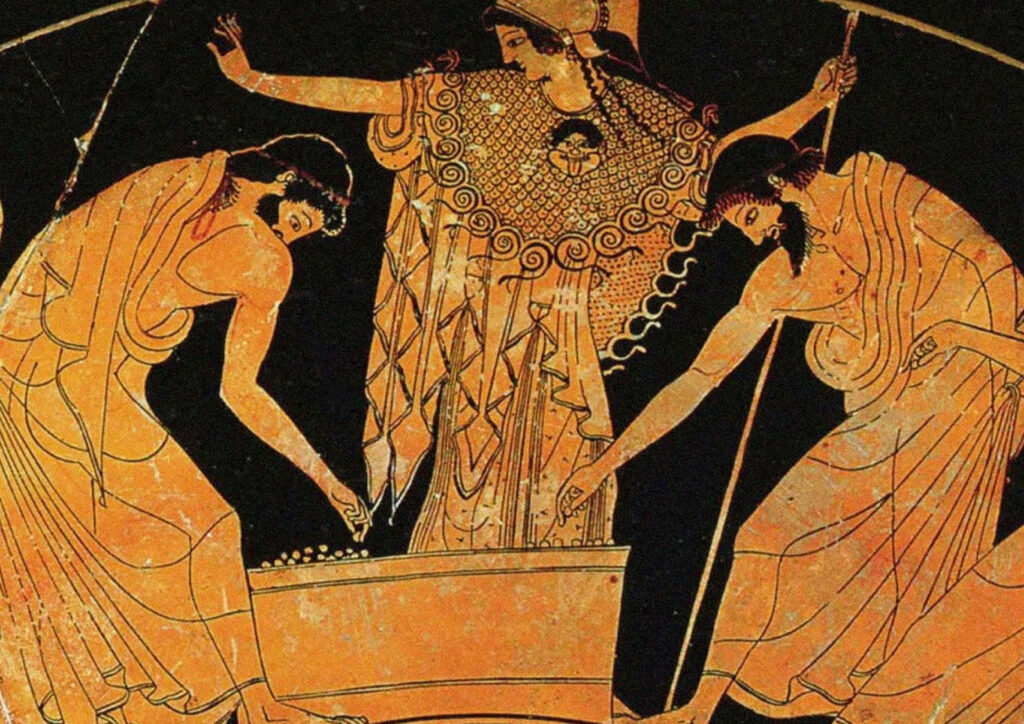
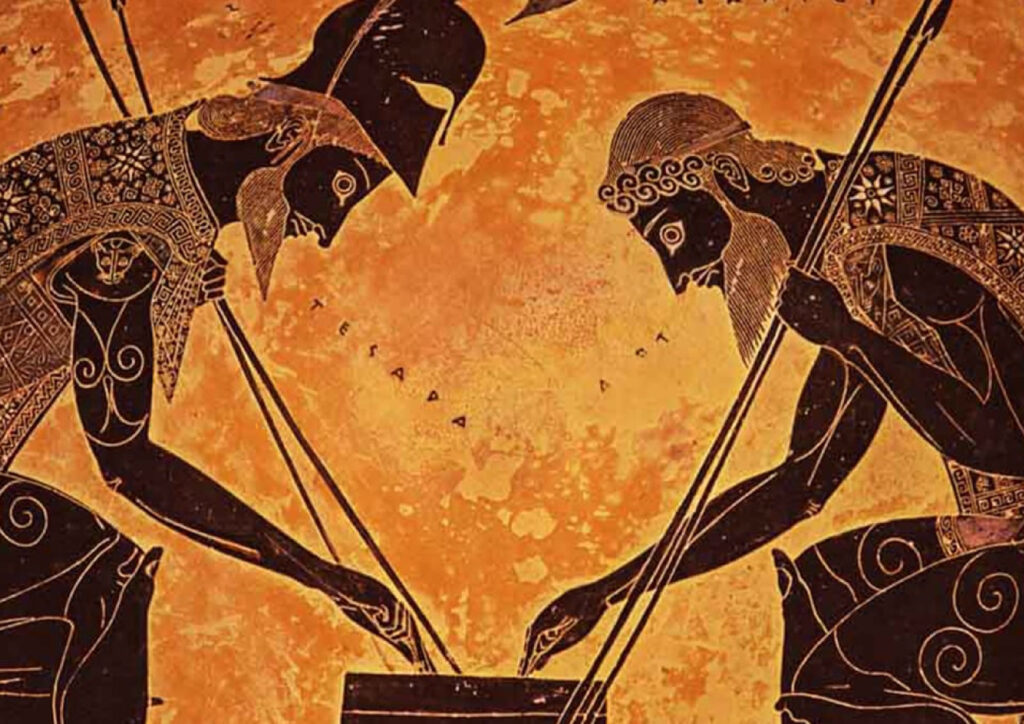
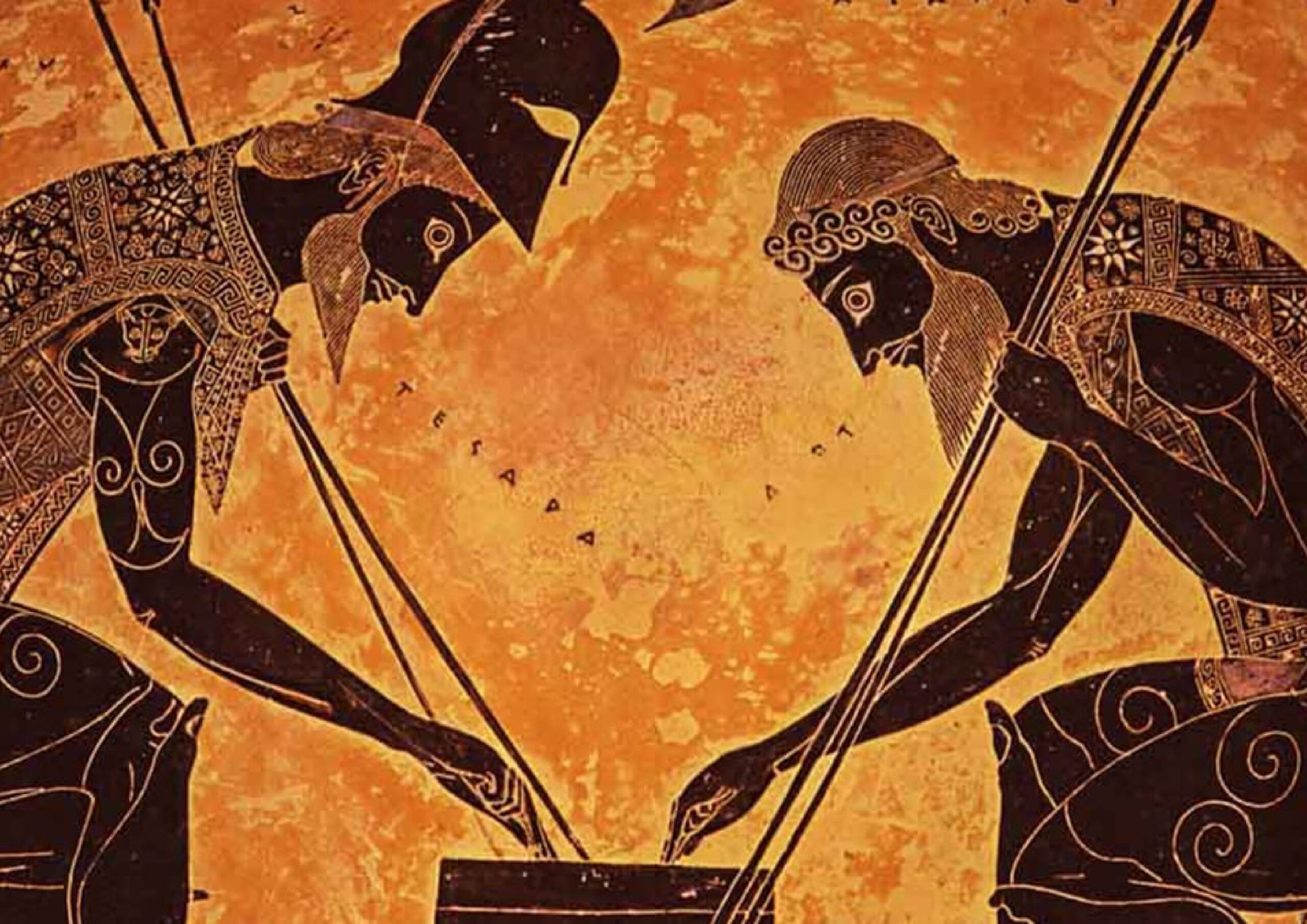
The Greeks, or Hellenes, are an ethnic group native to Greece, Cyprus, and the Eastern Mediterranean, known for founding Western civilization. Ancient Greeks (c. 8th century BC onwards) established democracy, Western philosophy, science, drama, and the Olympics, leaving a lasting legacy in arts and politics.

The Romans - 27 BCE – 476 CE in the West

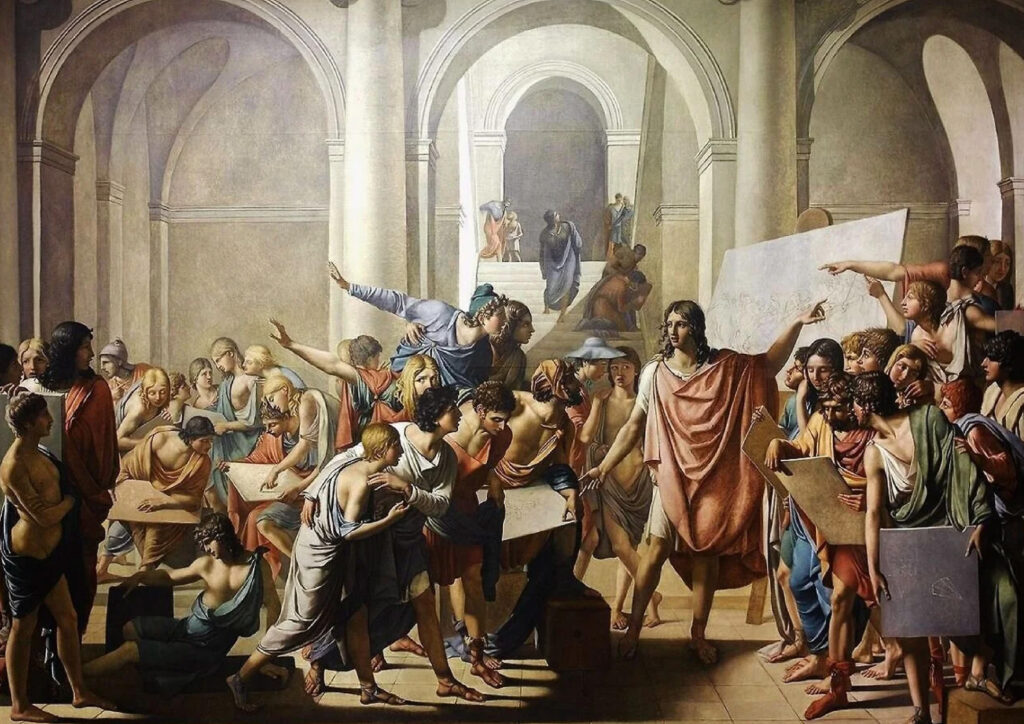
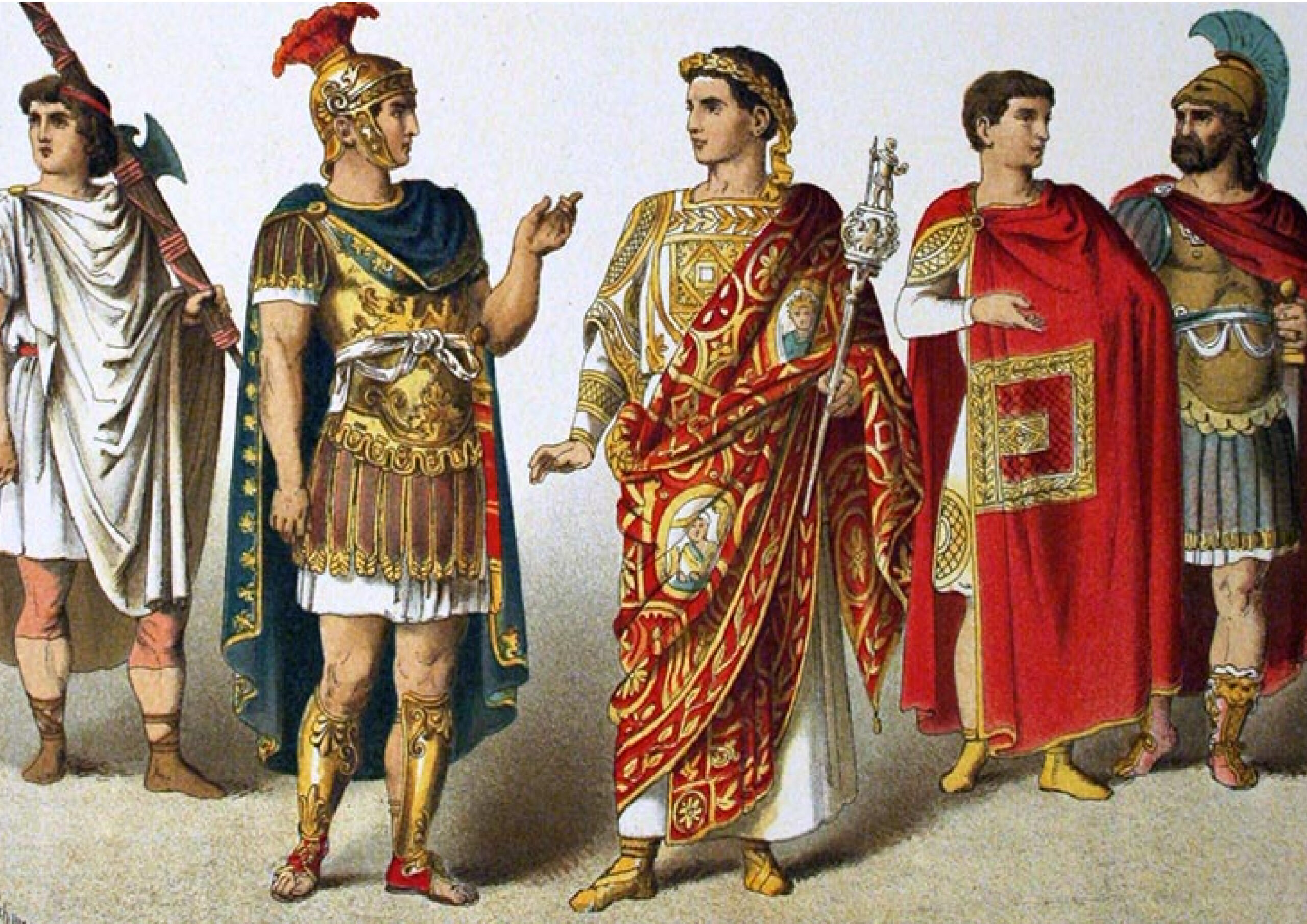
The Romans were an ancient civilization originating in 8th-century BCE Italy, which grew into a massive Mediterranean empire (c. 27 BCE – 476 CE in the West) known for military power, engineering, and enduring cultural impact. They established a Republic before becoming a vast autocratic empire, laying the foundations for modern law, governance, language (Latin), and architecture.

The Ottoman Empire - 16th-17th centuriy

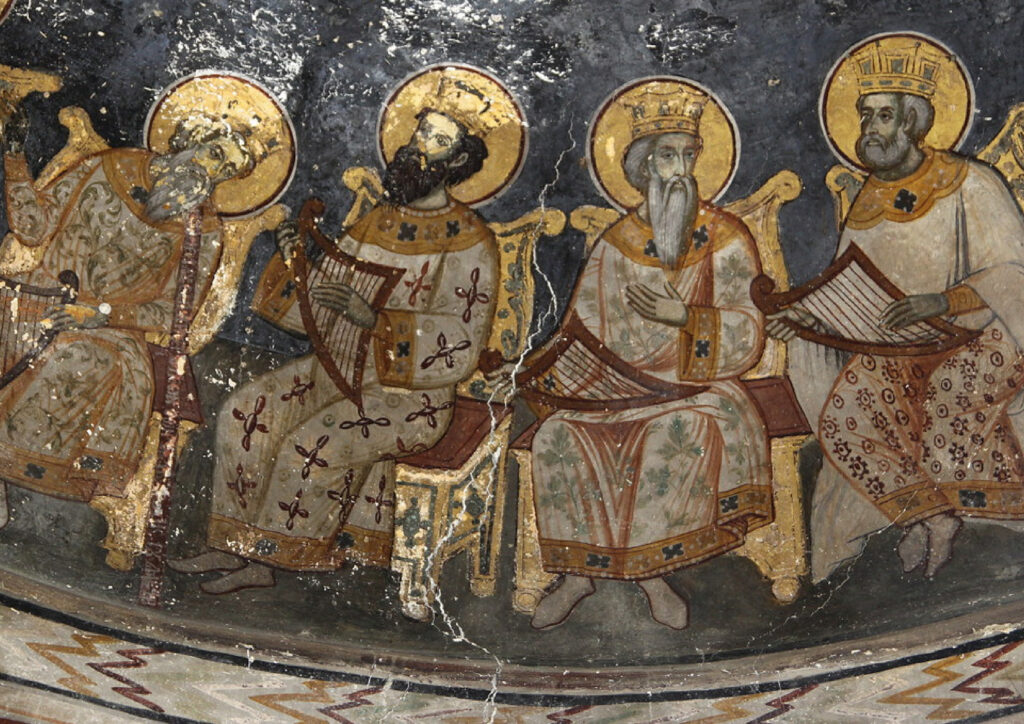
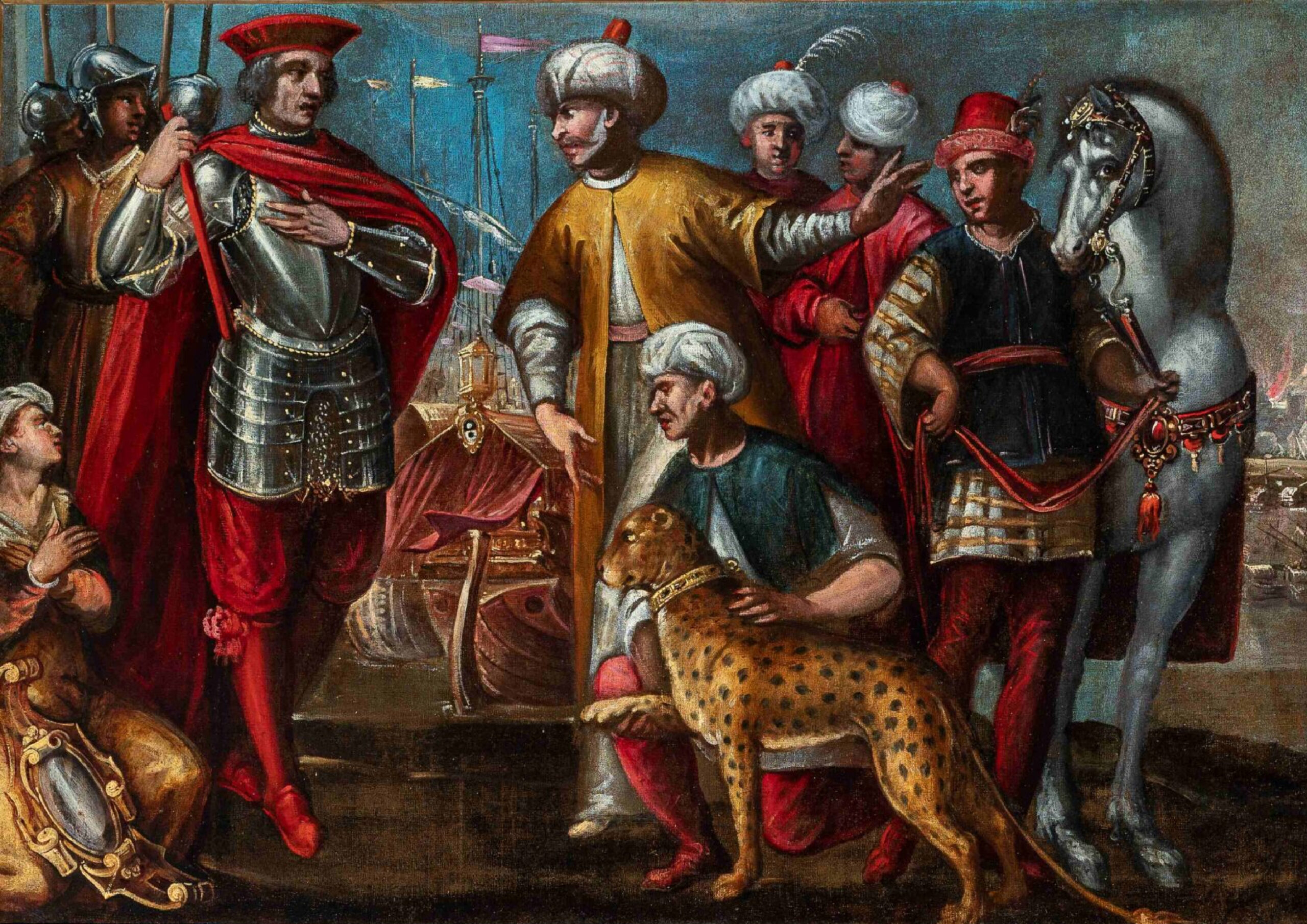
 Founded around 1299 by Osman I in Anatolia, the Ottoman Empire was a major transcontinental superpower that lasted over 600 years until 1922. At its height in the 16th-17th centuries under leaders like Suleiman the Magnificent, it controlled vast territories across Southeast Europe, Western Asia, and North Africa, with its capital at Constantinople (Istanbul).

The Slavs - 6th and 7th centuries CE

The Slavs are the largest European ethno-linguistic group, residing mainly in Eastern and Southeastern Europe but spanning across Asia to the Pacific. Defined by their Slavic languages, they are categorized into East (Russians, Ukrainians, Belarusians), West (Poles, Czechs, Slovaks), and South (Serbs, Croats, Bosnians, Slovenes, Bulgarians) groups.

Geography and climate

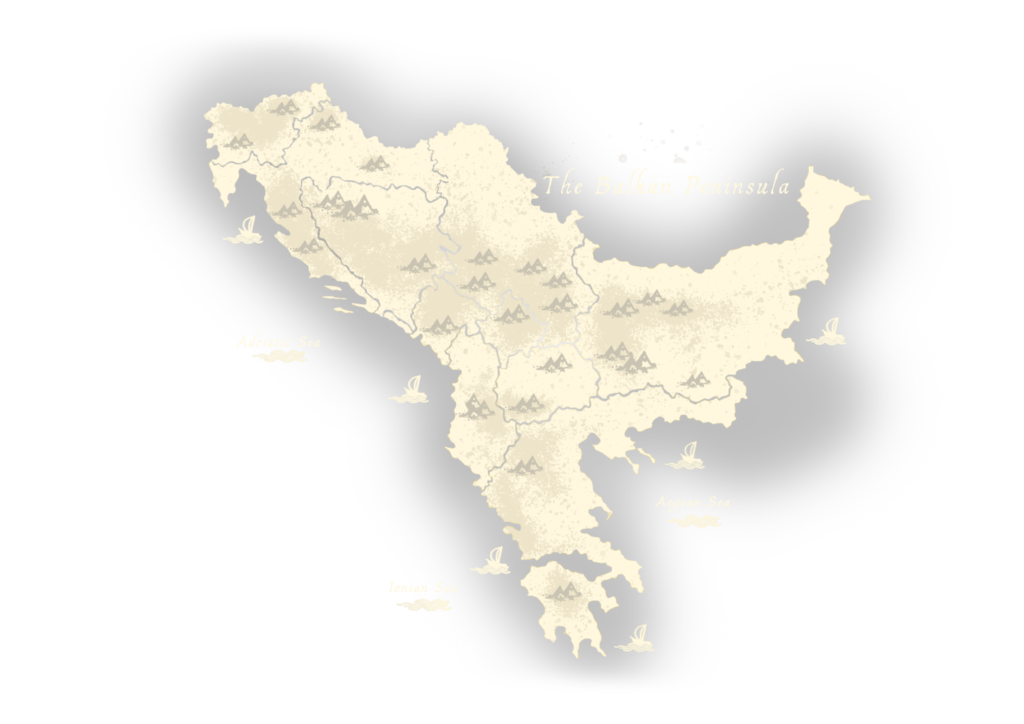
The Balkan Peninsula lies in southeastern Europe, bordered by the Adriatic, Ionian, Aegean, and Black Seas, and is characterized by a mix of rugged mountains and coastal areas. Its climate varies: coastal zones have a Mediterranean climate with hot, dry summers and mild, wet winters, while inland areas experience a more continental climate with colder winters and warmer summers, and the mountains have cooler, alpine conditions.